


Celebrations broke out across Beirut as a 10-day ceasefire between Israel and Lebanon came into force, with fireworks and celebratory gunfire lighting up the night sky. The ceasefire, which began last night, has temporarily halted hostilities and is aimed at creating space for diplomatic engagement. US State Department said the truce is intended to enable good-faith negotiations toward a permanent security and peace agreement between Israel and Lebanon.
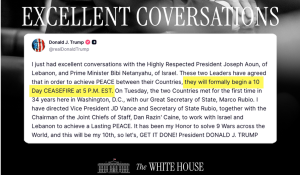
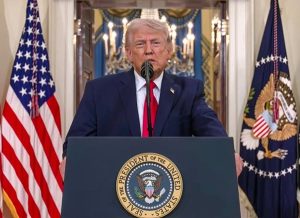
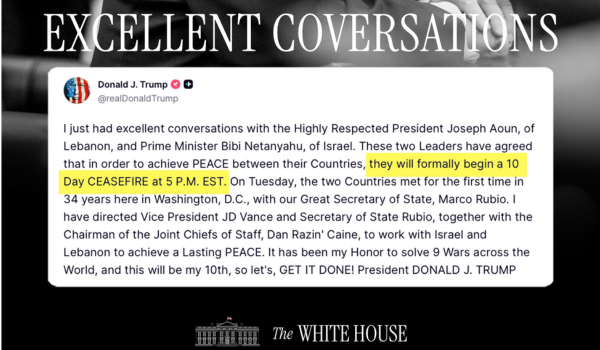
US President Donald Trump announced a 10-day ceasefire between Israel and Lebanon. The announcement followed what Trump described as excellent conversations with Lebanese President Joseph Aoun and Israeli Prime Minister Benjamin Netanyahu, both of whom he said agreed to the pause in order to pursue peace. Trump has also invited both leaders to the White House for the first meaningful talks between the two countries since 1983.
The ceasefire grew out of direct negotiations that began Tuesday, when the Lebanese and Israeli ambassadors to the United States held an in-person meeting in Washington, the first direct diplomatic contact between the two countries in decades. Netanyahu confirmed he had agreed to the temporary ceasefire but stressed that Israeli forces would remain in southern Lebanon, saying the country needed an expanded security zone to prevent attacks on Israel.
The 10-day window is being framed as a confidence-building measure. Trump has directed Vice President JD Vance, Secretary of State Marco Rubio, and the Chairman of the Joint Chiefs of Staff to work with both sides toward a lasting peace. Lebanon is also seeking the withdrawal of Israeli forces, the release of Lebanese prisoners held in Israel, and the return of displaced civilians as part of any broader settlement. Hezbollah, the Iran-backed armed group at the centre of this conflict, has been entirely excluded from the negotiations, and its position is one of outright rejection. Critically, Netanyahu has made clear that Israel will not withdraw from southern Lebanon, which remains a core demand of Hezbollah and that the group must be fully dismantled. That position represents a fundamental contradiction at the heart of any deal.
Hezbollah’s Secretary-General Naim Qassem earlier condemned the talks as a free concession to Israel and the United States, calling them a ploy to pressure the group into laying down its weapons. Lebanon, for its part, has insisted on a ceasefire to stop the fighting before engaging in wider talks, while vowing to commit to disarming Hezbollah. The current war in Lebanon began on March 2nd, when Hezbollah launched strikes against Israel in retaliation for the US -Israeli killing of Iranian Supreme Leader Ali Khamenei. More than 2,100 people have been killed in Lebanon since the war began, and over a million have been displaced from their homes.