


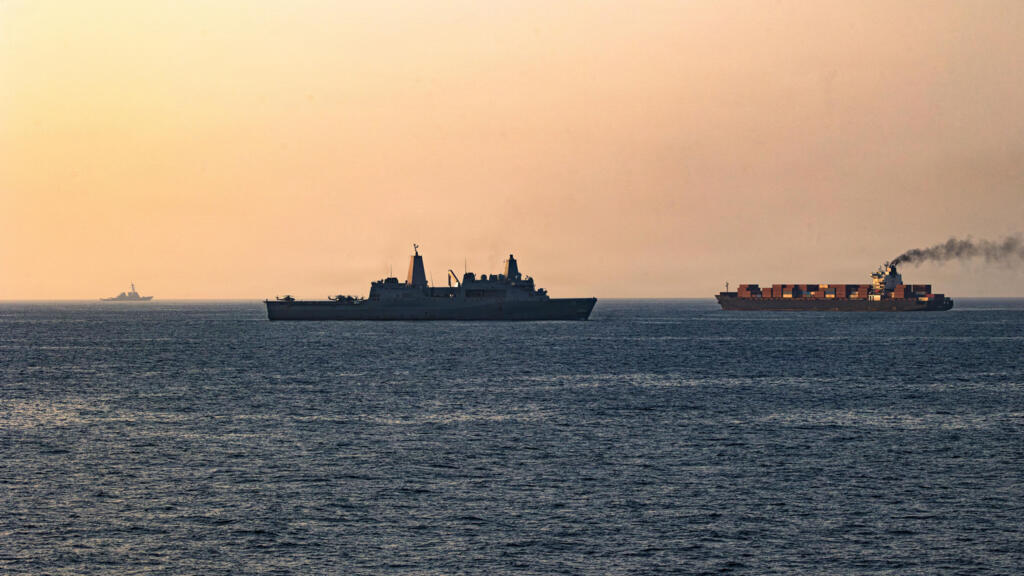
Tensions between Washington and Tehran continue to escalate, with the White House signalling that it is prepared to sustain a naval blockade of Iranian ports for an extended period. This comes amid financial costs to the United States crossing 25 billion dollars, as assessed by the Pentagon.
President Donald Trump issued a blunt warning to Iran on social media, saying no deal if Tehran’s nuclear weapons pursuit continues. He said, Iran talks are now ‘telephonic’ amid stalled peace talks.
The latest developments point to a widening deadlock. Washington continues to insist that Iran’s nuclear programme must be part of any ceasefire framework, while Tehran has refused to negotiate under pressure.
Adding to international concern, the head of the UN nuclear watchdog indicated that Iran’s stockpile of highly enriched uranium is believed to be held at the Isfahan facility, keeping governments across Europe and Asia on heightened alert. Inside Iran, the economic strain is intensifying.
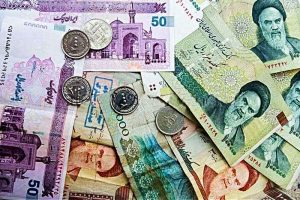
The rial has fallen to a record low against the dollar, reflecting the growing impact of the blockade on trade and financial stability. However, Iranian lawmakers insist that the country still has sufficient drone and missile capabilities to sustain a prolonged confrontation.
What makes this moment particularly volatile is the absence of any diplomatic off-ramp. Washington is tying any ceasefire to nuclear concessions. Tehran is refusing to engage under coercion. Meanwhile, the blockade is not only squeezing Iran’s economy, but it is also imposing a mounting financial burden on the United States, now estimated at over 25 billion dollars.
That raises pressure on the Trump administration to demonstrate tangible outcomes, not just strategic resolve. The humanitarian impact is also widening across West Asia. In Lebanon, aid agencies describe the situation as catastrophic, with more than 1.2 million people facing acute hunger due to disrupted supply chains and damaged infrastructure.
The Israeli military says it carried out at least twenty strikes in Lebanon in recent hours, targeting what it described as Hezbollah positions. Although a truce remains officially in place, conditions on the ground suggest continued hostilities, raising fears of further regional spillover.