

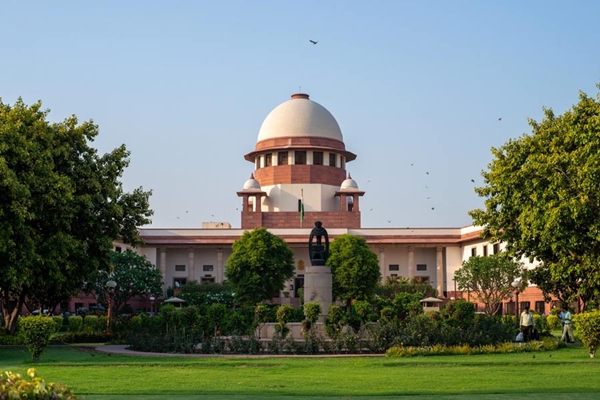
The Supreme Court has observed that roads cannot be blocked in the name of religious activities, and the government can intervene if secular activities are affected. A nine-judge Constitution bench, headed by Chief Justice Surya Kant, observed while hearing petitions related to the scope of religious freedom and discrimination issues against women at places of worship, including the Sabarimala temple in Kerala.
The apex court said that while religious denominations enjoy autonomy in matters of worship, this does not extend to disrupting public order or essential civic functions. Justice BV Nagarathna noted that organising religious events cannot justify blocking public roads, adding that the State has the authority to regulate such situations. The bench emphasised that courts cannot sit in judgment over the manner of worship, but intervention is permissible when secular rights are impacted.
During the hearing, the court also underlined that the right to manage religious institutions does not mean the absence of structure. It said there must be proper norms and a regulatory mechanism to ensure orderly functioning without violating constitutional principles.
Various counsels presented arguments on the extent of protections under Articles 25 and 26 of the Constitution, particularly regarding religious practices and administrative rights of denominations. The apex court reiterated that while religious freedoms are protected, they remain subject to constitutional limitations, including non-discrimination and public order. The hearing in the matter will continue tomorrow.