

Kuwait has confirmed its air defences are actively intercepting hostile missile and drone attacks. The country’s Ministry of Electricity, Water and Renewable Energy has said seven overhead power lines across several areas have been taken out of service after debris from intercepted projectiles brought them down. It is the clearest sign yet that the conflict’s consequences are no longer confined to frontline states.
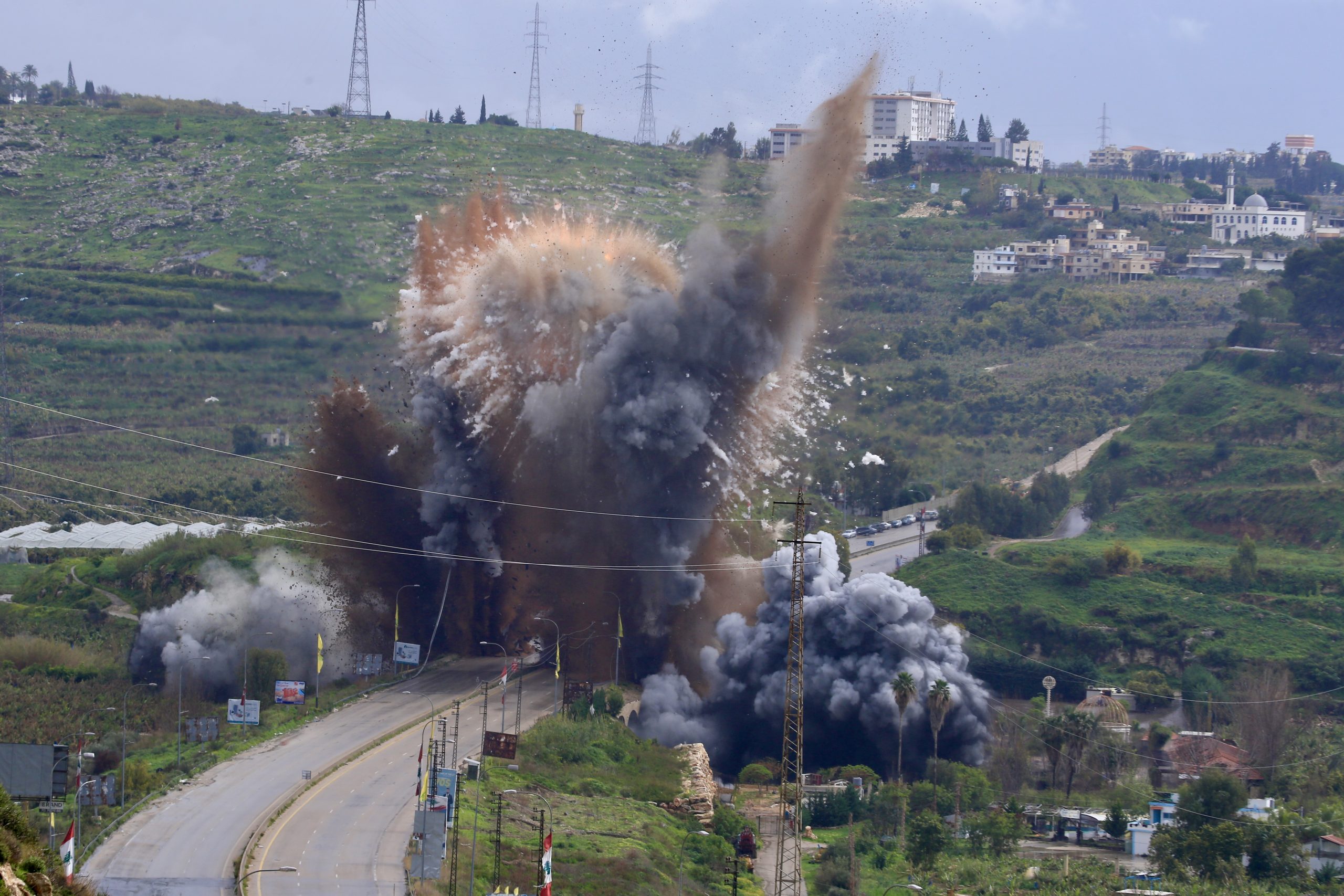
In Lebanon, the death toll from Israeli strikes has risen to 1,039 since Israel’s offensive began on March 2nd, according to the Lebanese Health Ministry, with a further 2,876 people injured over the same period. Israel has pressed on with strikes on Beirut and its suburbs, as well as the Nabatieh and Tyre areas, where an attack killed a medic. Israeli Finance Minister Bezalel Smotrich added a charged political dimension to the military campaign, telling an Israeli radio programme that “the new Israeli border must be the Litani River”, a statement that signals territorial ambitions well beyond the current operational objective of degrading Hezbollah.
Amid the turmoil, two Indian-flagged vessels have successfully transited the Strait of Hormuz, the Pine Gas and the Jag Vasant, carrying approximately 92,000 tonnes of liquefied petroleum gas loaded from ports in the UAE and Kuwait. Both tankers are now en route to Indian ports and are expected to arrive between March 26th and 28th. Separately, at least seven rockets were fired from the Iraqi town of Rabia towards a US military base in northeastern Syria – the first such attack since the US-Israeli military campaign against Iran began on signalling that the conflict is drawing in new theatres and new actors.
The diplomatic picture remains deeply contradictory. President Donald Trump has said Iran wants to make a deal and that the two countries have reached “major points of agreement”, ordering the US military to suspend strikes on Iranian power plants for five days. Tehran has flatly denied that any discussions with Washington have taken place, calling Trump’s claim a bid to manipulate crashing oil markets and insisting its position on the Strait of Hormuz has not changed. The IRGC says its ballistic missile units remain at maximum readiness to defend Iran’s energy infrastructure. And in a sign of how far the economic shockwaves are now reaching, Slovenia has become the first European Union member state to temporarily introduce fuel rationing, citing disruptions caused by the conflict in West Asia.