



The West Asia conflict continues to escalate, with Iran rejecting proposals for a temporary ceasefire and Israel launching fresh strikes on key Iranian energy infrastructure, while diplomatic efforts intensify ahead of a looming deadline over the Strait of Hormuz.
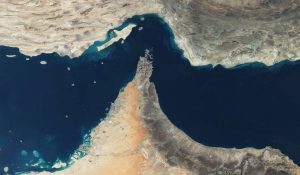
The media reported that a senior Iranian official said Tehran would not reopen the Strait of Hormuz in exchange for a temporary ceasefire, arguing that Washington is not prepared to negotiate a permanent and comprehensive end to the conflict that began in February. The official said Iran remains sceptical of US intentions and would not negotiate under pressure, even as diplomatic channels continue to circulate proposals for a 45-day ceasefire and reopening of the vital shipping route. The proposal, sent to both Washington and Tehran late Sunday, is being viewed as a last-ditch effort to prevent large-scale US strikes on Iranian infrastructure if the waterway remains closed.
Israel, meanwhile, said it carried out strikes on Iran’s South Pars petrochemical complex in the southern energy hub of Asaluyeh. Israeli Defence Minister Israel Katz said the military targeted the Jam and Damavand petrochemical facilities, describing them as critical assets responsible for around half of Iran’s petrochemical output. Iranian state media also confirmed the strikes, which follow an earlier Israeli attack on petrochemical facilities in Khuzestan province. Israeli officials claimed the combined strikes could significantly impact Iran’s petrochemical exports, though the extent of the damage remains unclear.
In the past few hours, tensions across West Asia have intensified as diplomatic efforts struggle to prevent further escalation. Israel says it has struck major Iranian petrochemical infrastructure in Asaluyeh, targeting facilities linked to a significant portion of Iran’s export capacity. Israeli Defence Minister Israel Katz said the military had been ordered to continue attacks on Iranian infrastructure with full force, signalling the possibility of further strikes. At the same time, Iran has rejected proposals to reopen the Strait of Hormuz in exchange for a temporary ceasefire .
Tehran says it will not accept short-term arrangements and remains doubtful about Washington’s willingness to negotiate a lasting settlement.The developments come as US President Donald Trump continues to press for the reopening of the Strait of Hormuz, warning of major strikes on Iranian energy infrastructure if shipping routes are not restored. Diplomatic proposals for a 45-day ceasefire are now being discussed, but with both sides maintaining hard positions, the risk of further escalation across West Asia remains high. The International Atomic Energy Agency warned that continued military activity near Iran’s Bushehr Nuclear Power Plant could trigger a severe radiological accident with potential consequences extending beyond Iran’s borders. The agency said a projectile struck an area close to the facility on Sunday, marking the fourth time the site has been affected since the conflict began. Officials expressed concern that repeated incidents near the plant raise the risk of a serious nuclear safety emergency, which could have wider regional implications.