


The conflict between the United States-Israeli coalition and Iran has reached its 11th day, with the Pentagon describing the last 12 hours as the most intense period of strikes against Iranian targets since operations began. The U.S. Defence Secretary Pete Hegseth confirmed the military campaign remains focused on degrading Iran’s missile and drone capabilities as the broader regional security situation continues to deteriorate.
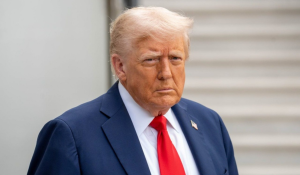
Despite the escalating pressure, Iranian launch activity has declined sharply. Missile strikes have fallen by approximately 90 per cent and drone deployments by around 83 per cent since the start of the campaign. However, Tehran continues to target neighbouring countries it considers aligned with Washington and Tel Aviv, and Iran’s foreign minister has stated the country is prepared to sustain operations indefinitely, directly contradicting signals from President Trump, who suggested the conflict is “pretty much” complete and could end soon.
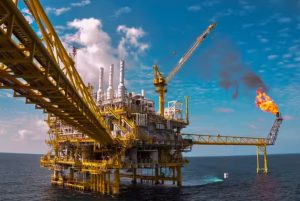
Here in the UAE, the past 12 hours have brought the conflict sharply into focus. The Ministry of Defence confirmed that eight ballistic missiles and 26 drones were intercepted and destroyed over the country, with one additional missile falling into the sea. The Ruwais refinery, the UAE’s largest, was taken offline as a precautionary measure after a drone attack in its vicinity caused a fire at the facility. No casualties have been reported.
The UAE government continues to maintain its position of non-participation in the conflict. Officials have reiterated at the United Nations and other international forums that UAE territory is not being used as a base for strikes against Iran and that the country remains committed to de-escalation. Authorities have also imposed a nationwide ban on all drone and light sports aircraft operations. Residents are being advised to stay alert to official emergency channels and to expect modified signal tones on alert systems given the heightened security environment.
President Trump’s mixed signalling, warning of greater U.S. force if Iran interferes with the Strait of Hormuz while also suggesting the conflict may be nearing an end, has done little to settle regional uncertainty. With energy infrastructure under pressure and West Asia’s waterways at the centre of global trade concerns, the coming hours are expected to be closely watched by governments and markets alike.