

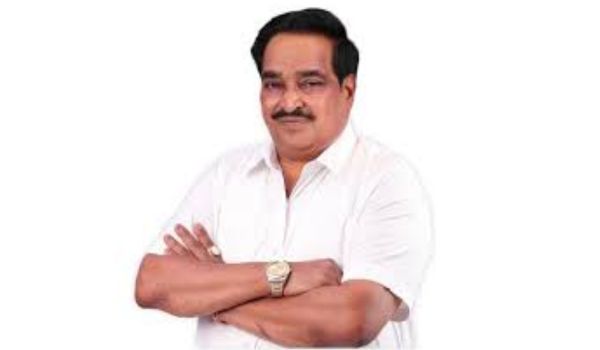
Union Jal Shakti Minister CR Patil has said that Jal Jeevan Mission (JJM) has made significant progress since its launch in 2019, with over 15.83 crore households having tap water connections under the scheme.
Replying to the question hour in the Rajya Sabha, CR Patil noted that when the scheme began in 2019, only about 3.23 crore rural households had tap water connections. He added that since then, the number has risen to nearly 15.83 crore households, with another around 3 crore connections targeted in the next phase.
Responding to concerns over the irregularities, the minister said there was no confusion about the programme and stressed that the primary responsibility for water supply lies with state governments. The minister admitted that in several areas, water has still not reached homes but said it is the states’ responsibility to ensure transparency because it is a state subject.
He said the state prepares the DPR, the state handles tendering, and the state gets the work executed, adding that accountability for shortcomings rests with the implementing authorities.
Highlighting the Centre’s crackdown on irregularities, the minister said around 18,000 complaints had been received under the mission, and action had been taken against more than 1,000 officials.
In a major push to complete the remaining work, the minister informed the House that the Union Cabinet recently approved 1.51 lakh crore rupees in additional centre share for the next phase of the Jal Jeevan Mission.
He said the Prime Minister had made it clear that no one would be spared if irregularities were found in the implementation process.
Mr Patil said the government is also set to sign MoUs with 16 states, alongside a new ground verification mechanism under which funds will be released. The minister said the decision was taken to plug the leakages and ensure better transparency.
Calling the scheme transformative, the minister said JJM has eased the burden on nearly 9 crore women who earlier had to walk long distances daily to fetch water.
To ensure water quality, the minister said 24.25 lakh women have been trained and provided testing kits, while around 8 lakh women have already tested water samples and uploaded reports.
He informed that the District collectors have also been instructed to involve women in water-related review meetings.