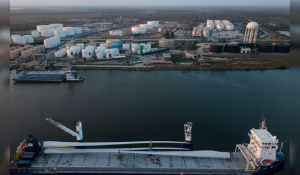



As the conflict in West Asia enters its second week, commercial shipping through the Strait of Hormuz has ground to a halt, with tanker traffic down by more than 80 percent. Approximately 150 tankers are currently anchored in open waters outside the strait, holding an estimated 16 billion litres of oil, waiting for conditions to stabilise before attempting passage. At least ten commercial ships were reported being struck by projectiles or drones near the strait, while widespread GPS jamming across the Persian Gulf is compounding the danger.
France has moved to organise a European naval response to the situation. President Emmanuel Macron has announced the formation of a coalition aimed at escorting commercial vessels through the waterway. He described the mission as purely defensive and said it would serve as an emergency expansion of Operation Agenor, the existing European-led maritime security mission in the region. Paris has deployed its flagship aircraft carrier, the Charles de Gaulle, which will lead a fleet of eight frigates and two amphibious helicopter carriers. Greece, Cyprus and the Netherlands have confirmed their participation in the mission.
European nations have been deliberate in distancing this mission from the ongoing U.S. offensive against Iran, known as Operation Epic Fury. Since Washington is a primary combatant in the conflict, a number of European and Gulf governments have preferred to align with the French-led effort rather than risk being seen as direct participants in American strikes. President Trump separately announced the U.S. Navy’s own escort operations as soon as possible and has offered political risk insurance to maritime trade, though no timeline has been confirmed.
With the Strait non-operational for global energy shipping and no formal legal closure declared, pressure on international markets is mounting by the day. France’s move to lead a coalition response reflects a broader European calculation that the economic consequences of inaction now outweigh the diplomatic risks of engagement.