



Saudi Arabia has said it intercepted and destroyed seven ballistic missiles launched by Iran toward its Eastern Region in the wee hours today, with debris being reported near energy facilities.
The Saudi Defence Ministry said assessments were underway to determine any damage. The interceptions come amid heightened tensions across West Asia, where attacks on energy infrastructure are raising fears of a wider regional escalation.
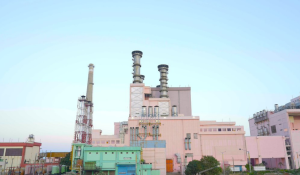
Missiles and drones were launched toward Saudi Arabia, triggering a major fire in Al Jubail, the country’s largest industrial hub and one of the world’s biggest petrochemical centres. Thick black smoke was seen rising across the city as emergency crews battled the blaze. Authorities ordered evacuations in parts of the area and suspended nearby industrial operations to prevent a chain reaction involving oil and gas facilities. Local sources indicated that at least one missile may have struck or detonated near critical infrastructure, intensifying concerns about energy security in the region.
Tensions across West Asia are rising further following a series of strikes targeting energy infrastructure. Israel carried out attacks on Iran’s South Pars gas field in Asaluyeh, the country’s largest gas facility, in one of the most significant strikes on Iran’s energy sector so far. The development has raised fears of retaliation and possible disruption to global energy supplies.
The missile interceptions in Saudi Arabia, along with the fire at Al Jubail and strikes on Iran’s energy facilities, highlight growing risks to critical infrastructure across West Asia and raise concerns about wider regional instability.
Meanwhile, US President Donald Trump has warned that Washington could launch strikes on key Iranian infrastructure, including bridges and electricity generation plants, if Tehran does not end its blockade of the Strait of Hormuz and agree to a deal. Trump has set a deadline of April 7, 8 pm Eastern Time, increasing pressure as the countdown continues.
Iran has responded by warning that it could target energy infrastructure in GCC countries if hostilities escalate further.
In Saudi Arabia’s Eastern Province lies Jubail – the world’s largest industrial city and one of the most important petrochemical hubs in the global energy supply chain. The sprawling industrial zone is home to major refineries, chemical plants and Aramco-linked facilities producing vast volumes of petrochemicals and refined products daily. The impact could extend far beyond the kingdom. The strike may trigger a spike in global oil prices, disrupt Gulf exports and tighten energy markets worldwide.
The incident also raises the risk of further escalation, with Saudi Arabia now under pressure to respond, potentially drawing more of the region into an already fragile and carefully contained conflict.