


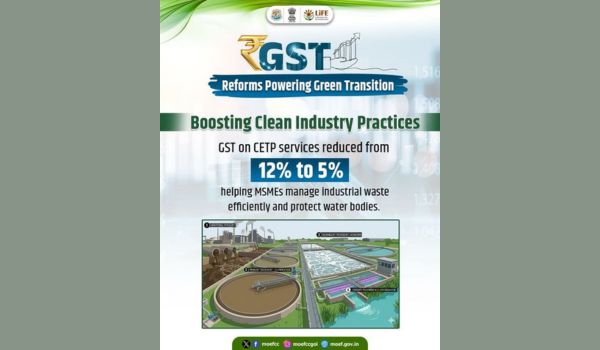
The rationalisation of GST has helped to accelerate the adoption of eco-friendly manufacturing, strengthen waste treatment infrastructure and promote sustainable mobility solutions. The Ministry of Environment, Forest and Climate Change said that the reduction of taxes from 12 percent to 5 percent on services provided by Common Effluent Treatment Plants has lowered tax burden for small and medium enterprises, making collective waste treatment attractive.
As part of tax rationalisation, biodegradable alternatives, including biodegradable bags, have become affordable, making eco-friendly alternatives competitive with conventional plastic. These measures also support Ministry-led beach cleaning drives and encourage compostable manufacturers to scale up production of starch-based and compostable materials. Additionally, the tax reduction on buses and commercial goods vehicles aims to clean the air in Indian cities. Lower upfront costs are encouraging operators to replace older, polluting vehicles with new BS-VI compliant models, which are up to 10 times cleaner than BS-IV standards.
Reduced taxes on goods vehicles has reduced transportation costs, helping expand market access while lowering the carbon footprint of the logistics sector. Tax rationalization reinforces the Government’s commitment to sustainability and climate action.