

Project Cheetah marks a significant step in India’s biodiversity restoration efforts, aiming to re-establish a once-lost species. Launched on 17 September 2022, when Prime Minister Narendra Modi released eight cheetahs from Namibia into Kuno National Park, Project Cheetah has grown into one of the country’s most significant conservation successes. Our correspondent reports that India brought eight cheetahs from Botswana this year.
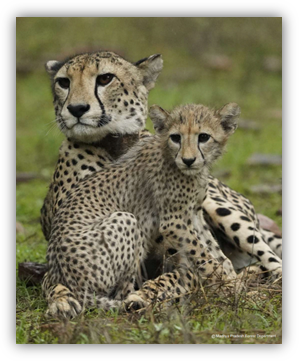
India is advancing Project Cheetah, a landmark initiative to conserve one of the world’s fastest land animals. The world’s first intercontinental translocation of a large carnivore has helped revive cheetah populations in the country. As of this month, Kuno National Park is home to 30 cheetahs, including 12 adults, 9 sub-adults, and 9 cubs, with 19 of them born on Indian soil. A major breakthrough came this year when Mukhi, India’s first cheetah cub born, gave birth to five healthy cubs, marking the arrival of a second generation in the wild.
For the project, over 450 Cheetah Mitras have been trained, 380 direct jobs have been created, and 5% of eco-tourism revenue is now being shared with villages around Kuno. These efforts are strengthening both conservation outcomes and rural livelihoods.
Going forward, the project aims to establish a self-sustaining metapopulation of 60 to 70 cheetahs across the Kuno-Gandhi Sagar landscape by 2032. Project Cheetah stands as a landmark in global wildlife diplomacy, built on deep, formalised cooperation between India and African range countries.