


A rare convergence of the Persian new year of Nowruz and Eid al-Fitr is being marked across West Asia today, but celebrations have been overshadowed by escalating conflict and widespread attacks on critical energy infrastructure. The region has witnessed a sharp intensification in hostilities over the past 48 hours, with a cycle of retaliatory strikes now directly targeting economic assets rather than purely military positions. Similar tensions are being reported across the region, with Saudi Arabia intercepting additional drones over its eastern region, while Bahrain confirmed missile activity that led to a fire caused by falling debris.
There are also reports that a US F-35 fighter jet made an emergency landing after being struck during operations, marking a first when a fifth-generation fighter is struck during military combat. The widening conflict is now being felt across multiple fronts, with direct impacts on both energy supply and civilian life. In Kuwait, drone and missile attacks struck the Mina Al-Ahmadi and Mina Abdullah refineries early this morning, breaching defensive perimeters and triggering fires in multiple operational units. Authorities later confirmed that the fires were brought under control, with damage described as limited. The incident has heightened concerns about the vulnerability of the Gulf’s energy network.
In Lebanon, the conflict has expanded into a broader theatre, with Israeli ground operations intensifying south of the Litani River and airstrikes reaching deeper into Beirut, including areas near key government sites. Heavy clashes continue in multiple fronts while the humanitarian situation has worsened sharply, with nearly one million people displaced and casualties rising significantly.
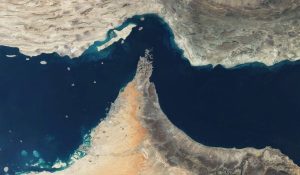
In Israel, warning sirens sounded overnight as Iran launched a new wave of attacks, with missiles striking an oil refinery in Haifa, a facility responsible for a significant share of the country’s domestic fuel production. Across the Gulf, energy infrastructure remains under sustained pressure. Qatar’s Ras Laffan facility has suffered extensive damage, with authorities indicating a significant impact on liquefied natural gas exports. In the United Arab Emirates, key installations, including the Habshan gas facility and the Bab oil field, were temporarily shut down following missile interceptions and falling debris. Meanwhile, the Strait of Hormuz remains effectively closed, disrupting a major share of global oil and gas flows and sending energy markets into volatility.
The convergence of these developments has cast a shadow over what is traditionally a time of celebration, with Eid prayers and Nowruz observances taking place under heightened security across the region.