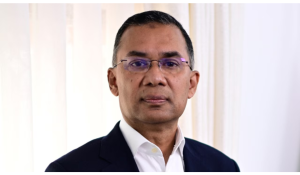


Javed Beigh, a prominent human rights defender and Kashmiri activist from Jammu and Kashmir’s Budgam, highlighted multiple terror incidents and grave human rights violations during the 61st session of the United Nations Human Rights Council (UNHRC) in Geneva.
Speaking to the media, Beigh said his speech touched on three major areas of concern, including terror attacks in Pahalgam and Delhi, systemic violations in Pakistan-Occupied Jammu and Kashmir (PoJK), and atrocities in Pakistan’s Khyber Pakhtunkhwa region.
Addressing the recent Pahalgam terror attack, the Kashmiri activist detailed how Lashkar-e-Taiba carried out the assault, targeting innocent civilians based on their religious identity. He also revisited the November Delhi blast of last year, noting that some children from Kashmir had been radicalised through various channels by handlers operating across the border — a fact he emphasised as well-established. He strongly held the Pakistani establishment responsible, saying that the Resistance Front (TRF) had claimed responsibility for orchestrating terror activities.
He added that Pakistan must stop sponsoring terrorism other it would face global isolation soon. Turning to Pakistan-occupied Jammu and Kashmir (PoJK), Beigh highlighted the severe human rights violations in the region, including the suppression of public protests and crushing of genuine civilian demands by the local administration and military authorities.
Meanwhile, Islamic scholar Maulana Bisharat Hussain Sakafi from Dhingla village in Poonch, who addressed the UN Human Rights Council via video conference, condemned Pakistan-backed cross-border terrorism that claimed more than 100 civilian lives in Poonch between 2021 and 2023. He said that such killings contravene Islamic teachings, calling it a murder of humanity disguised under the banner of jihad. He urged the Human Rights Council to take cognisance of these atrocities and hold Pakistan accountable for acts that violate both human rights and Islamic principles.