


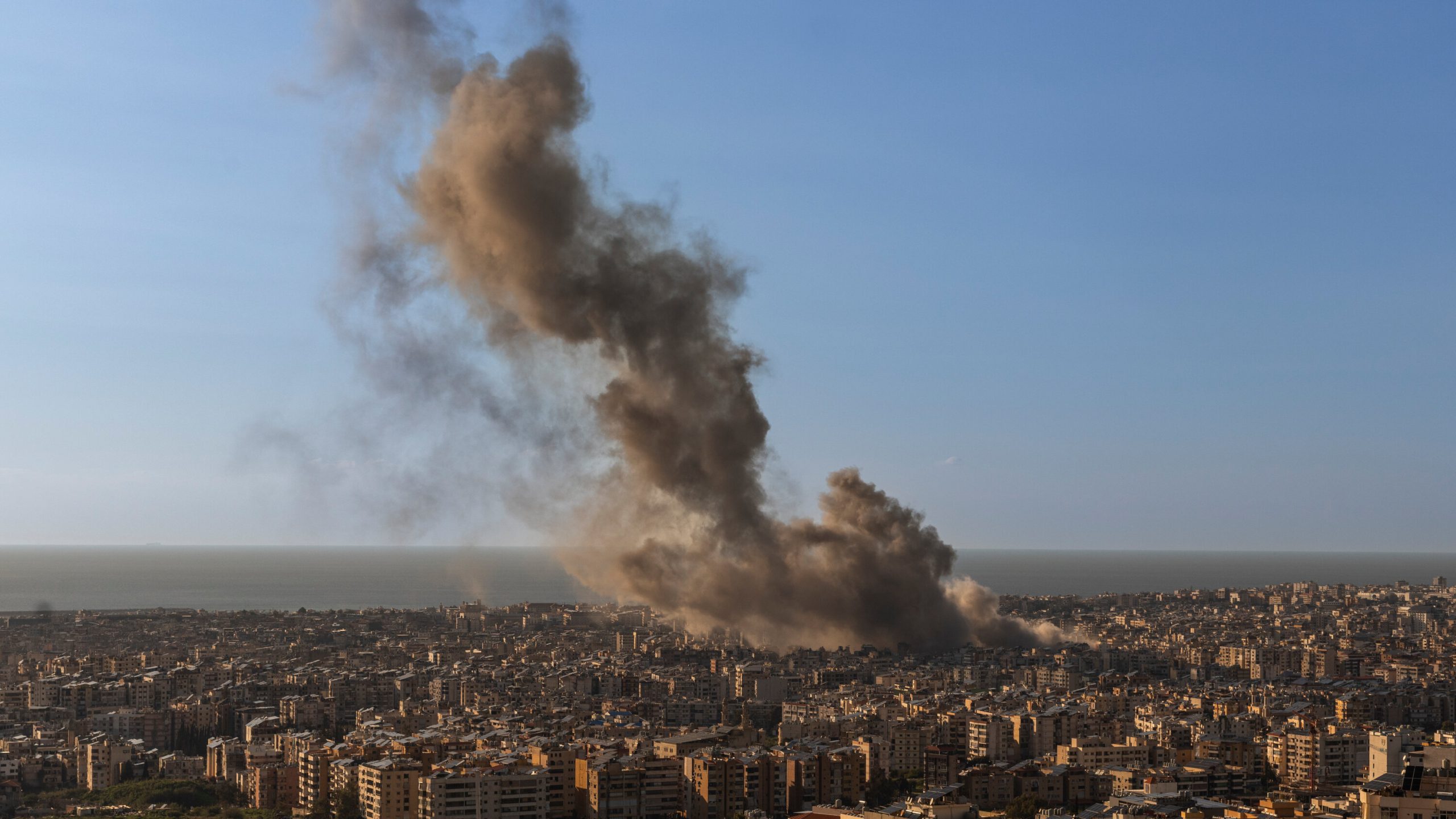
The ongoing conflict following joint attacks by the United States and Israel on Iran has severely disrupted air travel between Bangladesh and the Gulf region, leaving thousands of migrant workers stranded and exposing gaps in government preparedness.
According to officials at Hazrat Shahjalal International Airport, at least 500 flights to and from Middle Eastern destinations were cancelled between February 28 and mid-March due to the closure of several regional airspaces following the escalation of hostilities.
The disruption has created serious uncertainty for Bangladeshi expatriates, as the Gulf remains the primary destination for the country’s migrant workforce. Authorities estimate that more than 30,000 Bangladeshi workers have been stranded in the country, while many others risk losing their jobs as visas and entry permits near expiry.
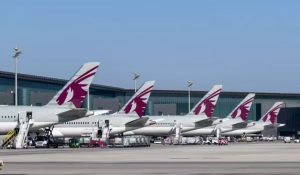
Although some flights resumed after March 4, cancellations continued intermittently. On Sunday alone, 23 flights operated by airlines including Qatar Airways, Emirates, FlyDubai and Biman Bangladesh Airlines were cancelled.
Officials said Iran, Iraq, Kuwait, Qatar, Bahrain, the United Arab Emirates and Jordan closed or restricted their airspace after the conflict began, forcing airlines to suspend or reroute flights.
The crisis has particularly affected workers bound for Saudi Arabia, the UAE, Qatar and Kuwait – destinations that employ the majority of Bangladeshi migrants. Data from the Wage Earners’ Welfare Board show that 145 flights to Saudi Arabia and 129 to the UAE have been cancelled so far.
Despite assurances from Kuwait, Qatar, Bahrain and the UAE that migrant visas would be extended by one month, other major destinations such as Saudi Arabia and Oman have yet to confirm similar measures.
For many workers, the uncertainty has already translated into financial distress. Migrants who spent large sums to secure overseas jobs now fear losing their opportunities due to repeated flight cancellations and expiring visas. The government says it is in contact with Gulf authorities to resolve the issue, but for thousands of workers waiting to travel, the war in West Asia has already turned into a personal economic crisis.