


Israel has launched a fresh wave of strikes on Iran, as Tehran warned of retaliation targeting critical infrastructure across West Asia, further intensifying a conflict that is fuelling a global energy crisis.
Explosions were reported across several districts of Tehran, according to Iranian media, while Saudi Arabia and the United Arab Emirates confirmed intercepting incoming missiles and drones.
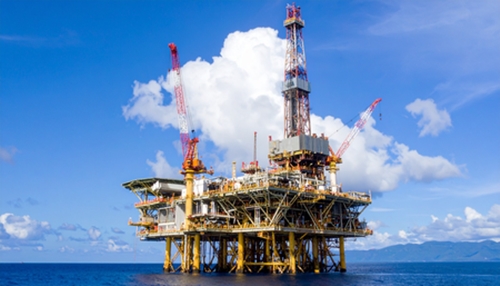
The head of the International Energy Agency, Fatih Birol, said at least 40 oil and gas facilities across the region have been severely damaged since the conflict, triggered by Israeli and US strikes on Iran, entered its fourth week. Iranian state media reported a strike on a radio transmission facility in Bandar Abbas, killing at least one person.
The station’s director said the targeted site was a 100-kilowatt AM transmitter operated by IRIB’s Persian Gulf Centre, calling the attack a violation of international law, which protects civilian media infrastructure. Civilian casualties have also been reported in residential areas of Khorramabad and Urmia in Iran, including the death of a child.
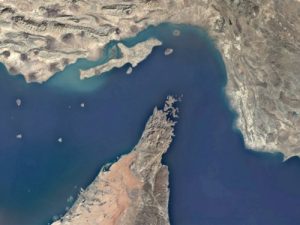
The conflict has entered one of its most dangerous phases yet on the energy front. The International Energy Agency warned that the current crisis is more severe than the oil shocks of the 1970s, as Iran continues to keep the Strait of Hormuz closed.
Separately, in the United Arab Emirates, air defences intercepted ballistic missiles launched toward the country in recent hours and confirmed debris from the interception caused a minor injury to an Indian resident in Abu Dhabi’s Al Shawamekh area.
On Lebanon’s southern front, Israeli forces have destroyed the strategic Qasmieh bridge, prompting Lebanese Prime Minister Nawaf Salam to call it a “criminal catastrophe” aimed at crippling the country’s infrastructure. Hezbollah has maintained its campaign, with a rocket strike on a northern Israeli village killing at least one person.
US President Donald Trump has warned that Washington could obliterate Iranian power plants if the Strait of Hormuz is not reopened within 48 hours, as tensions sharply escalate across West Asia.
Iran warned that critical infrastructure across the Middle East, including vital water systems, could be “irreversibly destroyed” if Iranian power plants are struck by the US and Israel.
Dr Anwar Gargash, diplomatic adviser to the UAE President, said the country’s response to what he described as Iranian aggression extends beyond an immediate ceasefire to securing long-term regional stability.
In a post on X, he said the UAE’s focus is on ensuring lasting security in the Arabian Gulf, addressing threats from nuclear capabilities, missiles and drones, and ending the intimidation of vital waterways.
Meanwhile, an Iran-backed armed group announced it would continue a five-day pause on attacks targeting the US embassy in Baghdad.
Since the start of the conflict, pro-Iran groups have claimed near-daily attacks on US interests in Iraq and across the region, even as retaliatory strikes have targeted these groups.