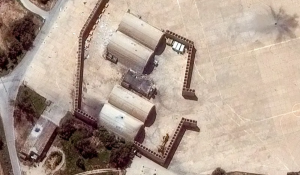



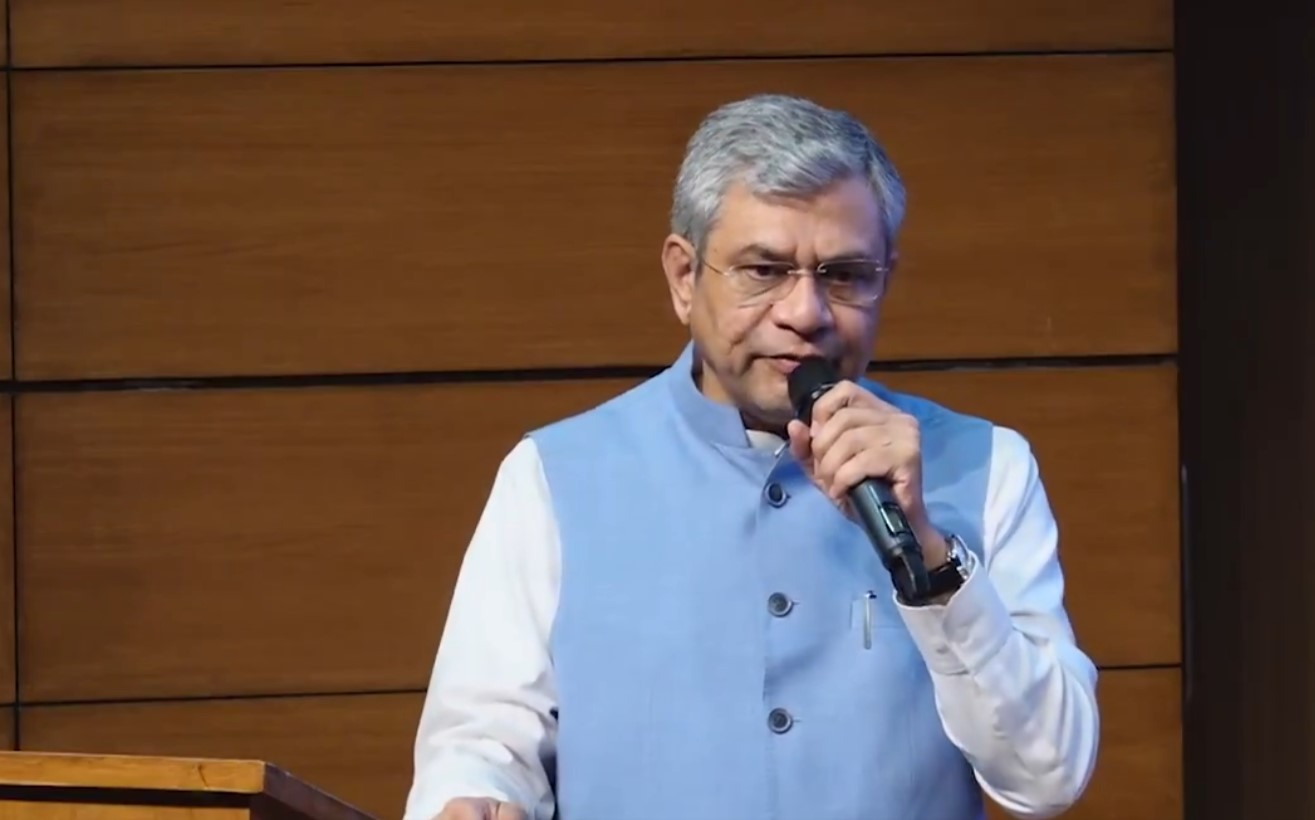
Union Cabinet today approved the launch and implementation of the Regional Connectivity Scheme – Modified UDAN for a period of ten years from 2026-27 to 2035-36 with a total outlay of 28,840 crore rupees. Briefing the media after the Cabinet meeting in New Delhi, Information and Broadcasting Minister Ashwini Vaishnaw said 100 airports will be developed from existing unserved airstrips to enhance regional connectivity. This will lead to enhanced regional air connectivity to underserved and unserved areas. It will also give a boost to economic growth, trade and tourism in Tier-2 and Tier-3 cities and support affordable air travel for common citizens. This will also lead to improved emergency response and healthcare access in remote and hilly regions and greater viability and sustainability for regional aerodromes and airline operators.
The original UDAN Scheme was launched in October 2016 with the objective of making air travel affordable and strengthening connectivity to Tier-2 and Tier-3 cities. Over nine years of implementation, 663 routes have been operationalised across 95 airports, heliports and water aerodromes.
Cabinet has approved the continuation of the Immigration, Visa, Foreigners Registration and Tracking (IVFRT) Scheme beyond 31 March 2026 for a period of five years from 1st April 2026 to 31st March 2031 with a budget outlay of 1800 crore rupees. The IVFRT platform seeks to interlink and optimize functions related to immigration, visa issuance and registration of foreigners in India. The core objective of the IVFRT is to modernize and upgrade immigration and visa services within a secure and integrated service delivery framework. It aims to facilitate legitimate travellers while strengthening national security. This project was approved by the Cabinet Committee on Economic Affairs on 13th May 2010 with a budget outlay of 1,011 crore rupees and with a project duration till September 2014.
Cabinet has also approved India’s Nationally Determined Contribution for the period 2031 to 2035, enhancing the country’s ambition under the UNFCCC and its Paris Agreement while reinforcing its commitment to sustainable development and climate justice. India has committed to reduce Emissions Intensity of its GDP by 47% by 2035 from the 2005 level. The country has achieved 52.57% non-fossil capacity as of February 2026, successfully meeting the target five years ahead of the timeline. The ambition has been further raised to a 60% share of non-fossil fuel-based energy resources in installed electric power capacity to be achieved by 2035. India’s NDC for 2031-35 is guided by the vision of Viksit Bharat, which is not just a goal for 2047, but a commitment to act today to build a prosperous and climate-resilient Bharat for future generations.