


THE HEADLINES:
⦁ Voting underway for 49 seats in fifth phase of Lok Sabha elections; nearly 48 percent turnout recorded till 3 PM.
⦁ ओडिशा विधानसभा चुनाव के दूसरे चरण के लिए भी शांतिपूर्ण तरीके से वोट डाले जा रहे हैं।
⦁ Campaigning for remaining two phases of parliamentary polls in full swing; Prime Minister and senior BJP leader Narendra Modi holds rallies and road show in Odisha.
⦁ ईरान के राष्ट्रपति इब्राहिम रईसी और विदेश मंत्री हुसैन अब्दुल्ला हियान का हेलीकॉप्टर दुर्घटना में निधन। प्रधानमंत्री नरेंद्र मोदी ने कहा, दुख की घड़ी में भारत ईरान के लोगों के साथ है।
⦁ India’s Deepthi Jeevanji smashes world record in women’s 400 metre event to win gold medal at World Para Atheltics Championships in Kobe, Japan.
<><><>
And, now time for our segment DATELINE INDIA in which we take a look at the developments taking place at national or global level. Today we will talk about Heat Wave.
मौसम विभाग ने उत्तर पश्चिमी, पूर्वी और मध्य भारत के मैदानी ईलाकों में अगले चार दिनों के लिए भीषण गर्मी का रेड अलर्ट जारी किया है। दिल्ली, हरियाणा, पंजाब, राजस्थान, उत्तर प्रदेश और बिहार में भीषण गर्मी जारी रहेगी। मौसम विभाग ने बताया कि दक्षिण पश्चिमी मानसून मालद्वीव के कुछ हिस्सों और कोमोरिन क्षेत्र, दक्षिण बंगाल की खाडी, निकोबार द्वीप और दक्षिण अंडमान महासागर में पहुंच गया है। बुधवार तक दक्षिण प्रायद्वीपीय भारत में अत्यधिक वर्षा होने की संभावना है। उप-हिमालयी पश्चिम बंगाल, सिक्किम, असम और मेघालय में भी ऐसी ही स्थिति रहने की संभावना है।
While the North is witnessing a heatwave, South India is facing the rainfall. Rains continued to lash in many parts of South India including Kerala’s Kozhikode, Tamil Nadu, and many more. Red alert is issued in 3 districts today.
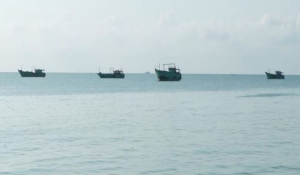
Pathanamthitta, Kottayam, and Idukki district are under red alert today. Meanwhile, the Met Department has issued an orange alert for Thiruvananthapuram, Kollam, Alapuzha, Ernakulam, Thrissur, Palakkad, Malappuram and Kozhikode districts, with the remaining districts under a yellow alert. The State is predicted to experience incessant rain for coming five days. Fishermen are advised not to venture out to sea due to the anticipated intense rain and possibly strong winds. Hilly regions of the State are under high alert.The State Revenue Minister K. Rajan said that emergency control rooms are opened in all Collectorates and Taluk offices across Kerala. The minister also stated that instructions have been given to open relief camps if necessary. The public is requested to contact control rooms for emergencies using the toll-free numbers 1077 and 1070. Mayusha for Parikrama from Thiruvananthapuram.
How to Beat the Heat –
Hydration, for obvious reasons, this is the first tip we are going to address. It is common knowledge that hydration is key to getting through the summer. Dehydration is often seen in those who fail to consume fluids regularly. One simple rule to check if you are actually dehydrated, is by checking the colour of your urine. If it is dark brown in colour, you need to hydrate. Ideally, your urine colour should be pale/straw yellow. Other symptoms of dehydration include lethargy, dizziness, nausea, headaches and dry mouth. So how do we stay hydrated?
⦁ * Carry bottles of water wherever you go.
⦁ * Try infused water or adding chia/sabja seeds to your water to make it interesting.
⦁ * Ensure you also make the most of local drinks like buttermilk, coconut water and lemon juice/nimbu paani.
⦁ * Make sure each room in your house has a bottle of water.
⦁ * If you are someone who easily forgets, set alarms to drink water or use an app! (yes there are apps to remind you to drink water!).
राज्य में भीषण गर्मी को देखते हुए उत्तर प्रदेश के गाजियाबाद और नोएडा में नर्सरी से आठवीं कक्षा तक की स्कूल कक्षाएं बंद कर दी गई हैं। नोएडा में अगले आदेश तक और गाजियाबाद में इस महीने की 25 तारीख तक कक्षाए नहीं होंगी।
नोएडा में नर्सरी से आठवीं तक की कक्षाएं भीषण गर्मी को देखते हुए अगले आदेश तक बंद कर दी गई हैं। जिला शिक्षा विभाग ने केंद्रीय माध्यमिक शिक्षा बोर्ड, भारतीय माध्यमिक शिक्षा प्रमाणपत्र, उत्तर प्रदेश माध्यमिक शिक्षा परिषद सहित अन्य सभी शिक्षा बोर्डों को इस आदेश का सख्ती से पालन करने का निर्देश दिया है।
<><><>
अपने क्षेत्रीय संवाददाताओं से जानने का, कि उनके पास क्या विशेष है –
The National Library of India located at Alipore in Kolkata, is India’s largest library. It is under Ministry of Culture, Government of India. The library is designated to collect, disseminate and preserve printed material produced within the country. It has a collection in excess of 25 lakh books and records. More from our correspondent –
The National Library of India, is one of the four designated libraries entitled to receive under the Delivery of Books and Newspapers (Public Libraries) Act, 1954 a copy of every publication published anywhere in the country. The library is a permanent repository of all reading and printed materials produced, written or wherever published and in whatever language. The origins of the National Library, Kolkata can be traced to the
establishment of Calcutta Public Library in 1836. Later, the Calcutta Public Library and the Imperial Secretariat Library were merged and gave way to the establishment of The Imperial Library in 1903. After Independence, the Imperial Library came to be known as The National Library. It was accorded a special status of an Institution of National Importance under Article 62 in the 7th Schedule of the Constitution of India. It was thrown open to the public on the 1 st of February 1953 from its new premises at the sprawling thirty acre Belvedere Estate. The National Library provides to the public reading, reference and bibliographic services besides lending books. The Library has digitised around 80 lakh pages from its rare collection of important documents, which are available to readers through the Indian Culture portal. Susmita Mandal, Akashvani, Kolkata
<><><>
Goa is known for its festivities alongwith unique natural and cultural beauty. Along with IFFI,Purple fest ,sunburn. One of them is the state government’s Cashew Fest of which the 2nd season is celebrated from May 10 to May 12 in Goa .During the inaugural function of this festival previous year Chief Minister of Goa Dr Pramod Sawant declared Cashew fest as ‘State festival’ and it is celebrated every year on the lines of International Film Festival.
Goa Forest Development Corporation Limited (GFDC) in collaboration with all concerned organized Cashew Fest Goa 2024, Season 2 on May 10 to May 12 at the Dayanand Bandodkar Ground , Campal Panaji.This festival brought together various stakeholders from the cashew sector like Self Help Groups , Farmers, Industry including processors, distillers, retailers, agriculturists, restaurant owners , academicians, technical experts and others. The festival aimed to showcase cashew and discuss ways to increase its production in the state of Goa.Second edition of Goa cashew fest presented an unique opportunity to educate the youth, new generation in farming community etc about the significance of cashew harvesting and promoting and preserving the rich history of cashews in Goa.
Cashew Fest Goa 2024, Season 2 was a delightful celebration that helped to bring together culture, tradition, and the significance of cashew in Goa’s identity. Festival provides a significant platform to discuss various reasons/factors for low productivity of Cashew in State in spite of all favorable and conducive environments . The highlight of the festival is undoubtedly the Sundowner event, where attendees can groove to the beats of well-known bands like Jazz Junction, Anicca Project, and Jukebox Trio.
An immense response was received from this second season of Goa cashew fest.Thousands of visitors include delegates, experts, event partners and other attended the festival.Cashew festival promoted the traditional method of making feni, a local alcoholic beverage made from cashew juice through Cashew Gallery and showcased the Goan Kunbi fabric. In addition, by-products made from cashews were promoted and sold at the event.Such festivals are definitely working as an encouragement to all stakeholders. Tushar Jadhav for Parikrama. Akashvani Panaji, Goa.
<><><>
The Kaziranga National Park and Tiger Reserve is known for one horned Rhinos and other animals. Recently, the second meeting of the Anti-Rhino Poaching Task Force was held at Kaziranga to review the existing rhino protection measures.
The world Heritage site Kaziranga National Park and Tiger Reserve is known for it’s one horned Rhinos. The park also houses a significant number of Bengal tigers, making it a tiger reserve. Other animals one can spot there include elephants, wild water buffaloes, and various species of deer. Kaziranga offers a plethora of activities for nature and wildlife lovers including elephant and jeeo safaris and nature walks. Anti social elements kills Rhinos for it’s horn. To curb this menace, Assam Government organised the second meeting of the Anti-Rhino Poaching Task Force at Kaziranga to review the existing rhino protection measures, forest-police coordination, deployment of existing Forest Protection Forces, and strengthening of the intelligence networks. Presentations were made by Forest and Police officials from the 4 Rhino-bearing areas. The Task Force made several crucial recommendations to bolster anti-poaching efforts, particularly in light of the increasing rhino population. With the increase in the Rhino population due to concerted efforts of the Government of Assam, Rhinos are increasingly venturing into newer areas, including Bura Chapori and Majuli, as seen over the last 2 years. The Task Force also recommended for greater coordination and strengthening of the surveillance and conducting regular meetings in all rhino-bearing areas in district areas. For Parikrama, this is Aminul from Guwahati.
<><><>
In Mumbai’s Dharavi area a polling station is situated where country’s largest number of Pooling booth are being established in single campus. Dharavi Transit camp school complex has 34 polling stations with around 30 thousand voters registered across these booths. Various colour codes are given to the group of polling station. Same colour code strip is printed on Voter slip and Carpet and Tent of same colour are also spread here. Due to large number of registered voters waiting rooms are also created but they are empty due to proper arrangements of que management. Feeding is also created for mothers.
<><><>
खेल –
जापान के कोब में विश्व पैरा एथेलेटिक्स चैम्पियनशिप में दीप्ति जीवनजी ने महिलाओं की चार सौ मीटर टी-20 स्पर्धा में विश्व रिकॉर्ड तोडकर पहला स्वर्ण पदक जीता। 20 वर्षीय दीप्ति ने अमेरिका की ब्रियाना क्लार्कस का 55 दशमलव एक-दो सेंकण्ड का रिकॉर्ड तोडा। दीप्ति ने 55 दशमलव शून्य-सात सेंकण्ड में यह प्रतियोगिता जीती।
<><><>
भारतीय बैडमिंटन खिलाड़ी सुकांत कदम, तरुण और सुहास ने पेरिस पैरालिंपिक में जगह सुनिश्चित की। सुकांत कदम पहली बार पैरालिंपिक्स में पुरुषों की एसएल-फोर श्रेणी में खेलेंगे। तरूण और सुहास ने भी इसी श्रेणी में क्वालीफाई किया है।
<><><>
अब समय है उन व्यक्तित्व को याद करने का जिनकी आज है पुण्य तिथि या जन्मदिवस। श्रोताओं आज सबसे पहले याद कर रहे है।
Sumitranandan Pant (20 May 1900 – 28 December 1977) was an Indian poet. He was one of the most celebrated 20th century poets of the Hindi language and was known for romanticism in his poems which were inspired by nature, people and beauty within.
सुमित्रानंदन पंत नये युग के प्रवर्तक के रूप में आधुनिक हिन्दी साहित्य में उदित हुए। सुमित्रानंदन पंत ऐसे साहित्यकारों में गिने जाते हैं, जिनका प्रकृति चित्रण समकालीन कवियों में सबसे बेहतरीन था। हिंदी साहित्य के विलियम वर्ड्सवर्थ कहे जाने वाले इस कवि ने महानायक अमिताभ बच्चन को ‘अमिताभ’ नाम दिया था। पद्मभूषण, ज्ञानपीठ पुरस्कार और साहित्य अकादमी पुरस्कारों से नवाजे जा चुके पंत की रचनाओं में समाज के यथार्थ के साथ-साथ प्रकृति और मनुष्य की सत्ता के बीच टकराव भी होता था। हरिवंश राय ‘बच्चन’ और श्री अरविंदो के साथ उनकी ज़िंदगी के अच्छे दिन गुजरे। आधी सदी से भी अधिक लंबे उनके रचनाकाल में आधुनिक हिंदी कविता का एक पूरा युग समाया हुआ है।
कौसानी में साहित्य के प्रति पंत जी में जो अनुराग पैदा हुआ वह यहां के साहित्यिक वातावरण में अब अंकुरित होने लगा। कविता का प्रयोग वे सगे सम्बन्धियों को पत्र लिखने में करने लगे। शुरुआती दौर में उन्होंने ‘बागेश्वर के मेले’, ‘वकीलों के धनलोलुप स्वभाव’ व ‘तम्बाकू का धुंआ’ जैसी कुछ छुटपुट कविताएं लिखी। आठवीं कक्षा के दौरान ही उनका परिचय प्रख्यात नाटककार गोविन्द बल्लभ पंत, श्यामाचरण दत्त पंत, इलाचन्द्र जोशी व हेमचन्द्र जोशी से हो गया था। अल्मोड़ा से तब हस्तलिखित पत्रिका ‘सुधाकर‘ व ‘अल्मोड़ा अखबार‘ नामक पत्र निकलता था जिसमें वे कविताएं लिखते रहते। ‘गिरजे का घण्टा‘ शीर्षक से उनकी कविता सम्भवतः पहली रचना है-
One of his very famous poem –
जीना अपने ही में… एक महान कर्म है
जीने का हो सदुपयोग… यह मनुज धर्म है
अपने ही में रहना… एक प्रबुद्ध कला है
जग के हित रहने में… सबका सहज भला है
जग का प्यार मिले… जन्मों के पुण्य चाहिए
जग जीवन को… प्रेम सिन्धु में डूब थाहिए
ज्ञानी बनकर… मत नीरस उपदेश दीजिए
लोक कर्म भव सत्य… प्रथम सत्कर्म कीजिए
His father served as the manager of a local tea garden, and was also a landholder, so Pant was never in want financially growing up. He grew up in the same village and always cherished a love for the beauty and flavor of rural India, which is evident in all his major works.
Pant enrolled in Queens College in Banaras in 1918. There he began reading the works of Sarojini Naidu and Rabindranath Tagore, as well as English Romantic poets. These figures would all have a powerful influence on his writing.[2] In 1919 he moved to Allahabad to study at Muir College. As an anti-British gesture he only attended for two years. He then focused more on poetry, publishing Pallav in 1926. This collection established him as a literary giant of the Hindi renaissance that had begun with Jaishankar Prasad. In the introduction to the book, Pant expressed dissatisfaction that Hindi speakers “think in one language and express themselves in another.”[2] He felt that Braj was out of date and sought to help usher in a new national language.
Pant moved to Kalakankar in 1931. For nine years he lived a secluded life close to nature. Simultaneously he grew enamored with the works and thinking of Karl Marx and Mahatma Gandhi, dedicating several verses to them in the poetry he produced during this time. Pant returned to Almora in 1941 where he attended drama classes at the Uday Shankar Cultural Centre. He also read Aurobindo’s The Life Divine, which heavily influenced him. Three years later he moved to Madras and then to Pondicherry, attending Aurobindo’s ashram. In 1946 he returned to Allahabad to resume his role among the country’s other leading writers.
Literary career
He is considered one of the major poets of the Chhayavaadi school of Hindi literature.[1] Pant mostly wrote in Sanskritized Hindi. Pant authored twenty-eight published works including poetry, verse plays and essays.
Apart from Chhayavaadi poems, Pant also wrote progressive, socialist, humanist poems and[3] philosophical (influenced by Sri Aurobindo) poems. Pant eventually moved beyond this style. As the late scholar and translator of Pant, David Rubin, writes, “In the early forties the new psychological and experimental “schools” were emerging. It was typical of both Nirala and Pant that they themselves anticipated these trends and, by the time the new approaches were in vogue, they had already moved on to newer areas of experimentation.”
Mahapran Nirala once remarked:
The most powerful thing in Pant Ji is that, like Shelley, he makes his composition mellifluous and tender by enriching it with numerous similes and metaphors.
— Mahapran Nirala,
Awards
In 1960, Pant received the Sahitya Academy award, given by India’s Academy of Letters, for Kala Aur Budhdha Chand.
In 1968, Pant became the first Hindi poet to receive the Jnanpith Award, considered to be India’s highest accolade for literature. This was awarded to him for a collection of his most famous poems titled Chidambara.
The Indian Government honored him with Padma Bhushan in 1961.
Sumitra Nandan Pant composed the Kulgeet of the Indian Institute of Technology Roorkee ” -Jayati Vidya Sansthan
<><><>
शिबो प्रसाद मुखर्जी का जन्म आज ही के दिन 1974 में कोलकाता में हुआ था। फिल्म निर्देशक, लेखक और अभिनेता शिबोप्रसाद सामाजिक रूप से प्रांसगिक फिल्म बनाने के लिए प्रसिद्ध हैं। सुख और राम धुन, हामी, कोन्थो, गोत्रो जैसी कुछ लोकप्रिय नए जमाने की बंगाली फिल्म का उन्होंने निर्देशन किया है। कोन्थों को अकादमी पुरस्कार में सर्वश्रेष्ठ फीचर फिल्म का पुरस्कार भी मिला।
Collaborating with Nandita Roy, he made his directing debut with the film Icche, which garnered both critical acclaim as well as commercial success. The director duo is known for making socially relevant films which are also entertaining to the viewers. They have also directed some of the popular most new age Bengali films like Praktan, Bela Seshe, Icche, Muktodhara, Accident, Alik Sukh and Ramdhanu, Haami, Konntho, Gotro which were critically acclaimed as well as enjoyed commercial success. He also serves as a partner at Windows Productions. His film Praktan, bagged multiple National Awards and Alik Sukh was premiered at the Marche du Film section in Cannes Film Festival in 2013. His film Konttho was selected as the Indian entry for the Best International Feature Film at the 92nd Academy Awards.
<><><>
अंजुम चोपड़ा (जन्म- 20 मई, 1977) भारत की राष्ट्रीय महिला क्रिकेट टीम की सदस्य और भारतीय महिला क्रिकेट टीम की पूर्व कप्तान हैं। उन्होंने भारतीय महिला क्रिकेट को नई ऊंचाइयों तक पहुंचाया है। वनडे मैच में 1000 रन बनाने वाली अंजुम चोपड़ा पहली भारतीय महिला क्रिकेटर हैं। अंजुम चोपड़ा ने 17 साल की उम्र में क्रिकेट करियर शुरू किया था।
उनके नाम कुछ रिकॉर्ड्स भी दर्ज हैंं। वह आज की महिला क्रिकेटरों और युवा लड़कियों के लिए एक प्रेरणा हैं। अंजुम को क्रिकेट का शौक बचपन से ही था। उस समय लड़कियों को क्रिकेट खेलने की आजादी नहीं थी। उस वक्त क्रिकेट को लड़कों का ही खेल माना जाता था। इसके बावजूद अंजुम ने मात्र 9 साल की उम्र में क्रिकेट ग्राउंड पर कदम रखा और इसके बाद फिर कभी पीछे मुड़कर नहीं देखा।
<><><>
पीरू सिंह शेखावत (जन्म- 20 मई, 1918, झुंझुनू ज़िला, राजस्थान; शहादत- 18 जुलाई, 1948, तिथवाल, कश्मीर) भारतीय सेना के वीर अमर शहीदों में एक थे। कश्मीर घाटी के युद्ध में सक्रिय रूप से जूझते हुए उन्होंने पीरकांती और लेडीगनी ठिकानों पर अपनी फ़तेह हासिल की थी। वर्ष 1948 में दारापारी के युद्ध में पीरू सिंह ने वीरगति प्राप्त की। उनकी वीरता और बलिदान के लिए उन्हें मरणोपरांत भारत के सर्वोच्च सैनिक सम्मान “परमवीर चक्र” से सम्मानित किया गया था।
<><><>
Nachiketa Ghosh (28 January 1925 – 12 October 1976) was a Bengali music director in India. He mainly composed for Bengali, Hindi, and Oriya songs.
Bengali filmography as music composer
Film Year
Boudir Bon 1953
Joydeb 1954
Ardhangini 1955
Bhalobasa 1955
Nishiddha Phal 1955
Pather Sheshey 1955
Jharer Pare 1955
Asamapta 1956
Trijama 1956
Nabajanma 1956
Tapasi 1957
Prithibi Amare Chay 1957
Natun Prabhat
<><><>