


A number of reform-focused ordinances introduced during Bangladesh’s interim administration have lost legal validity, triggering sharp political reactions and renewed concerns over accountability and governance.
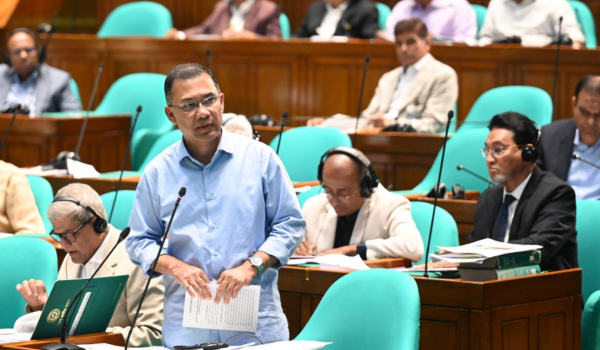
According to parliamentary data, at least 20 ordinances, including those related to enforced disappearances, anti-corruption measures, and police reforms-ceased to be effective from April 21. While seven were formally repealed through legislation, 13 lapsed automatically after failing to secure approval within the 30-day constitutional deadline following the first sitting of the Jatiya Sangsad.
The government, led by Prime Minister Tarique Rahman, has defended the development as a procedural outcome, however, critics argue that the lapse of several key ordinances-particularly those aimed at strengthening oversight institutions such as the Anti-Corruption Commission and mechanisms to address enforced disappearances-reflects deeper political reluctance to institutionalise reforms introduced after the 2024 political transition.
With opposition parties signalling further protests and rights groups calling for accountability, the episode underscores the fragility of post-transition reforms and the challenges of translating interim measures into lasting institutional change.