


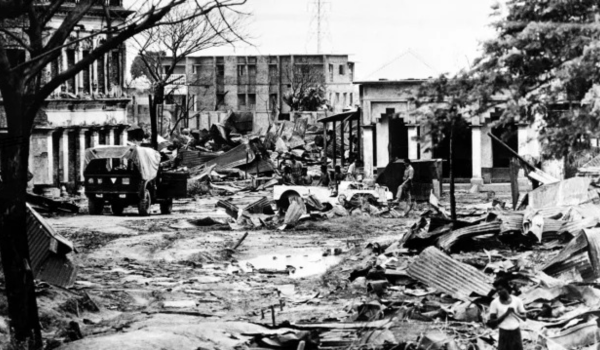
Bangladesh is observing Genocide Day today in solemn remembrance of the victims of the brutal military crackdown carried out by Pakistani forces on the night of March 25, 1971, under the codename Operation Searchlight.
The day marks one of the darkest chapters in the country’s history, when unarmed Bengalis – including students, teachers and civilians – were killed across the then East Pakistan, particularly in Dhaka, triggering widespread atrocities during the Liberation War.
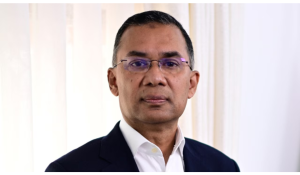
President Mohammed Shahabuddin and Prime Minister Tarique Rahman issued messages paying tribute to the victims and reaffirming the nation’s commitment to preserving the spirit of the independence struggle.
As part of nationwide observances, a symbolic one-minute blackout will be held from 10:30 pm to 10:31 pm, with key installations and emergency services exempted. Educational institutions are organising discussions, while documentary screenings and photo exhibitions are being held across major cities to highlight the genocide and the Liberation War.
Special prayers are being offered at mosques and other places of worship in memory of those killed, while illumination has been restricted as a mark of respect. Seminars and memorial events, including programmes at the Liberation War Museum, are focusing on raising awareness about the genocide and its historical significance.
The night of March 25 remains etched in national memory as a calculated assault on the cultural, intellectual and political fabric of the Bengali people, with institutions like Dhaka University among the main targets. Through these commemorations, Bangladesh honours the victims and renews its call for global recognition of the 1971 genocide.