


Aluminium prices on the London Metal Exchange jumped six per cent today, nearing four-year highs after Iranian-linked strikes damaged key Gulf production facilities over the weekend, raising fears of supply disruptions from one of the world’s most important aluminium-producing regions.
Benchmark three-month aluminium climbed to 3,492 dollars per metric tonne, its highest level since mid-March, as markets reacted to damage at facilities operated by Emirates Global Aluminium and Aluminium Bahrain. Traders said a break above 3,546 dollars per tonne could push prices to levels last seen during the peak volatility of the Covid-era metals rally in 2022. Aluminium Bahrain, which operates one of the world’s largest single-site smelters, confirmed it was assessing damage following the strikes.
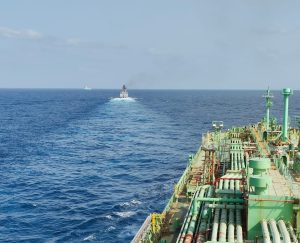
The state-controlled company said two employees were injured in Saturday’s attack. Meanwhile, Emirates Global Aluminium reported significant damage to its facilities from missile and drone strikes carried out the same day. The disruption comes as Gulf aluminium producers, responsible for roughly nine percent of global supply face mounting logistical challenges. Shipping routes have been affected by tensions linked to the US-Israeli conflict with Iran, and Tehran’s effective closure of the Strait of Hormuz has complicated exports from the region to global markets.
The UAE is a major player in the aluminium sector, with Emirates Global Aluminium producing about four percent of global supply and widely regarded as the world’s largest producer of premium aluminium. The company operates large-scale smelters in Abu Dhabi and Dubai and is one of the UAE’s biggest industrial firms outside the oil and gas sector.
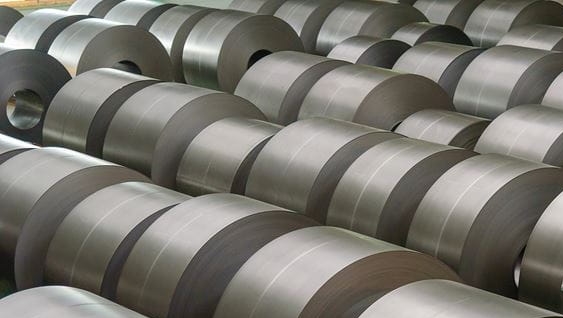
Premium aluminium is high-purity, value-added aluminium engineered for superior strength, consistency, and performance, typically used in aerospace, automotive, electronics, and advanced construction applications. Iran said the missile and drone strikes yesterday on aluminium facilities operated by Emirates Global Aluminium and Aluminium Bahrain were carried out in retaliation for Friday’s US-Israeli strikes that damaged major Iranian steel plants in Khuzestan and Isfahan, marking an escalation targeting industrial infrastructure.