

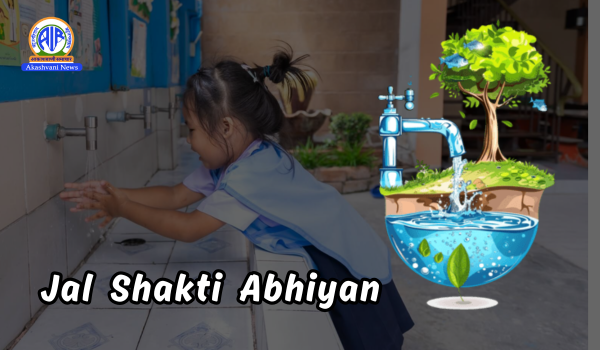
In Uttar Pradesh, Jal Pakhwada will be organised from today to 30th April in all schools and educational institutions across the state under the ‘Jal Shakti Abhiyan’. The government has taken a unique step in the field of water conservation by linking it directly with schools.
Through this initiative, lakhs of students will not only become aware of water conservation but will also actively take responsibility for saving water. The effort aims to make water conservation a collective public responsibility, starting from classrooms and extending its impact across society.
A key feature of the campaign is its robust monitoring system. All schools have been mandated to submit daily online reports of activities. Through a tracker, details such as the number of participants, activity descriptions, and photo/video uploads will be recorded.
At the district level, Basic Education Officers have been designated as nodal officers to ensure accountability. The government intends to transform the water conservation drive into a mass movement, fostering a lasting mindset and behavioural change toward saving water.
During the Jal Pakhwada, schools will be developed as centres for water conservation. Workshops on the subject will be organised with participation from departments such as Jal Nigam, Panchayati Raj, Basic Education, and Health. Additionally, a ‘water pledge’ will be administered daily during school assemblies, and awareness about water conservation will be spread among students and parents to ensure the campaign reaches every household.
To encourage active participation, activities such as essay writing, debates, quizzes, drawing, and other creative competitions will be organised, helping instil sensitivity and responsibility toward water conservation among students. Special drives will also be conducted in each school to clean drinking water sources and storage facilities.
Water quality will be tested through Jal Nigam laboratories, with necessary purification measures ensured. The campaign will also include photo exhibitions on water conservation, interactive sessions with students and parents, and public awareness activities, making it a strong medium for behavioural change.