


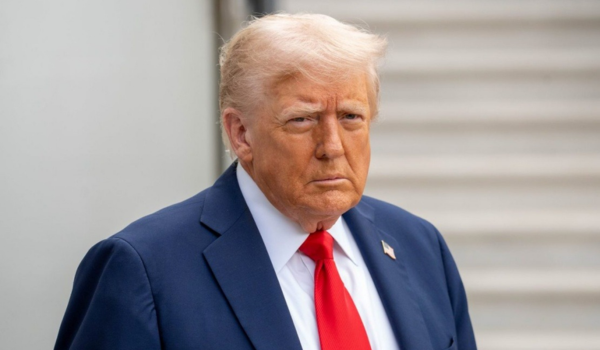
U.S. President Donald Trump is weighing a range of options against Iran, including targeted strikes on security forces and senior figures linked to a violent crackdown on recent protests, even as concerns grow that military action could backfire and destabilise the region. Multiple U.S. sources say the options under discussion are aimed at pressuring Iran’s leadership and encouraging internal dissent after nationwide protests earlier this month were crushed, with thousands reported killed. One source said the goal was to create conditions for regime change, while others stressed that no final decision has been taken, including whether to pursue a military path.
Among the options being considered are limited strikes on commanders and institutions blamed for the violence, as well as broader attacks that could target Iran’s ballistic missile capabilities or nuclear enrichment programmes. A senior U.S. official said recent naval deployments to West Asia have expanded Washington’s military options.The USS Abraham Lincoln aircraft carrier strike group has entered the region, enhancing U.S. capacity for sustained air and maritime operations if required.
Trump has publicly urged Iran to negotiate a nuclear deal, warning that any future U.S. attack would be far worse than previous strikes on Iranian nuclear sites. He described U.S. naval forces in the region as an “armada.”Iran says it is preparing for possible military confrontation while keeping diplomatic channels open. According to Reuters, a senior Iranian official said that the country was ready for dialogue “based on mutual respect and interests,” but would defend itself “like never before” if attacked. Israeli and Arab officials have warned that air power alone would not topple Iran’s leadership. One senior Israeli official said, “If you’re going to topple the regime, you have to put boots on the ground.” Regional governments fear any strike could trigger retaliation, regional instability and disruption to global oil supplies.
The unrest in Iran began in late December and quickly spread nationwide amid economic grievances, including a sharp fall in the rial and high inflation. The protests have been met with a severe and widespread crackdown by security forces and the Islamic Revolutionary Guard Corps, resulting in thousands of deaths and mass arrests, rights groups and activists say. Iran imposed near-total internet and communications blackouts to limit reporting, complicating independent verification of events. The scale of the violence has drawn international condemnation and prompted discussions of sanctions and other responses.