

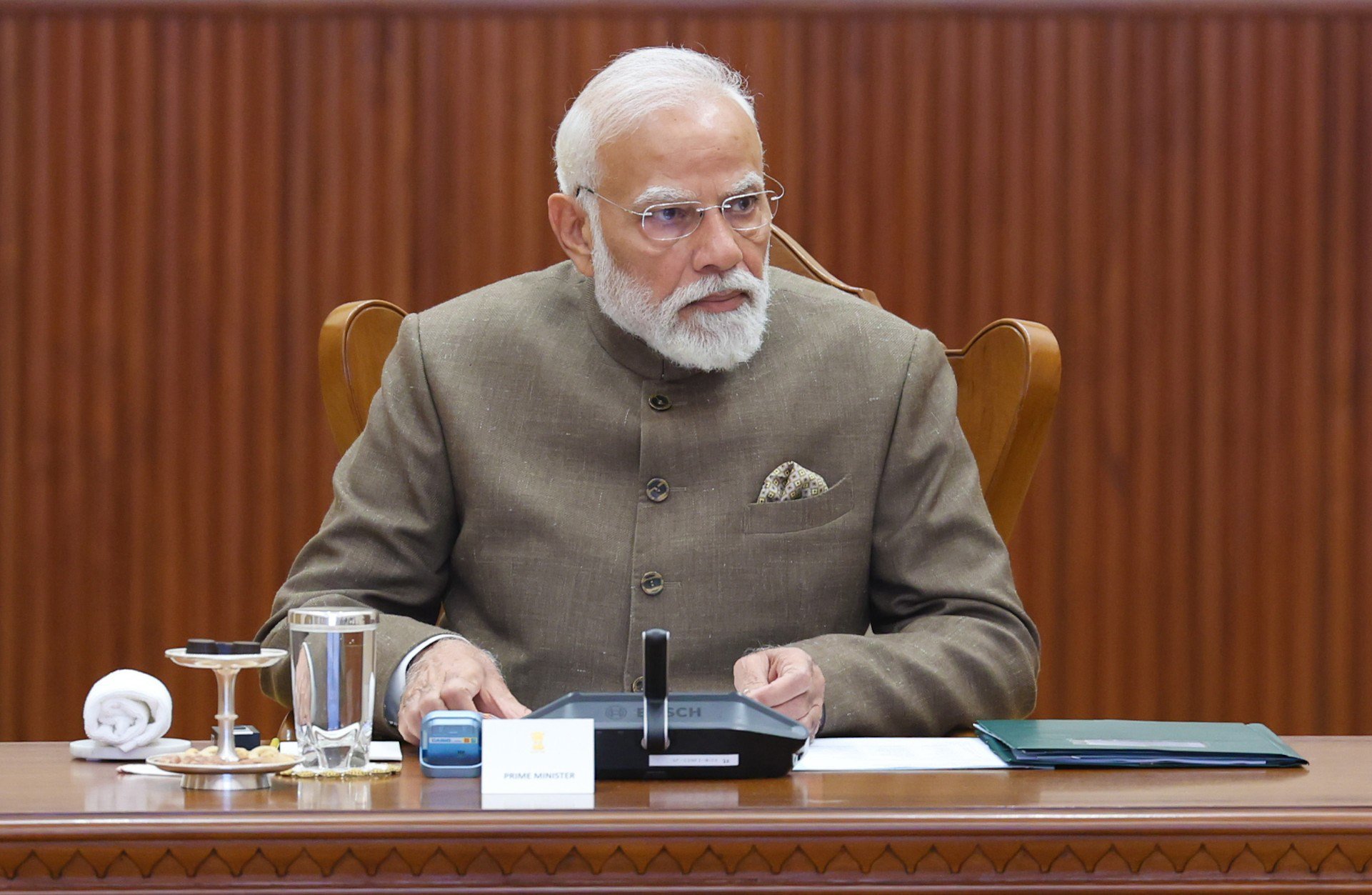
Prime Minister Narendra Modi will launch the nationwide Human Papillomavirus (HPV) Vaccination Programme for girls aged 14 years from Ajmer in Rajasthan tomorrow. The nationwide rollout marks a decisive move in India’s public health journey and fulfils the Government’s commitment to advancing the vision of “Swastha Nari”, ensuring prevention, protection and equity at the core of women’s healthcare. The programme will target approximately 1.15 crore girls aged 14 years every year across all States and Union Territories. The vaccine will be provided free of cost at designated Government health facilities. Vaccination will be conducted at Ayushman Arogya Mandirs, Community Health Centres, Sub-District and District Hospitals, as well as Government Medical Colleges and Hospitals.
Vaccination will be voluntary, and informed consent from parents or guardians will be obtained prior to administration. Cervical cancer remains the second most common cancer among women in India, with over 1 lakh 20 thousand new cases and nearly 80 thousand deaths annually, as per the GLOBOCAN 2022 data. Scientific evidence establishes that almost all cases of Cervical cancer are caused by persistent infection with high-risk types of Human Papillomavirus (HPV), particularly types 16 and 18, which account for more than 80% of cervical cancer cases in India. Despite being largely preventable through vaccination and early screening, cervical cancer continues to impose a heavy burden on families and the healthcare system. The nationwide HPV vaccination programme directly addresses this challenge by preventing HPV infection before it can progress to cancer.
India’s national programme will use a quadrivalent HPV vaccine – Gardasil. HPV vaccines are among the most extensively studied vaccines globally, with more than 500 million doses administered worldwide since 2006. Scientific evidence demonstrates almost 100% effectiveness in preventing cervical cancer caused by vaccine-covered HPV types. With this launch, India will join over 160 countries that have introduced HPV vaccination into their immunisation schedules. The special campaign will run in mission mode over a three-month period, during which eligible girls can receive the vaccine daily at designated facilities. Thereafter, the vaccine will continue to be available on routine immunisation days. The nationwide HPV vaccination programme reflects delivery-oriented governance where scientific evidence, policy commitment and implementation readiness converge to produce measurable public health impact.