

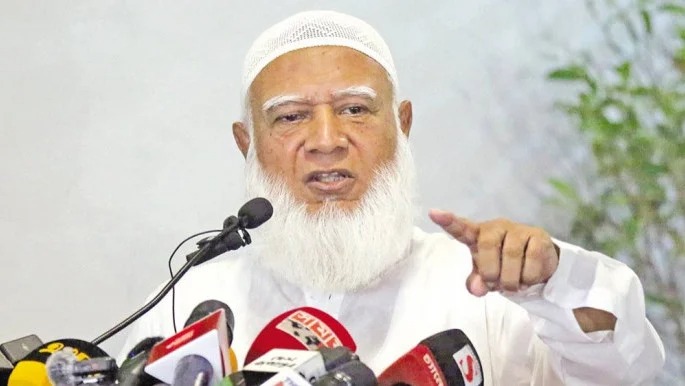
Bangladesh Jamaat-e-Islami Ameer Shafiqur Rahman has sparked widespread criticism after stating that women cannot be the head of his party and confirming that Jamaat has not nominated a single woman for the upcoming parliamentary elections.
In an interview, Shafiqur Rahman said it was not possible for a woman to lead Jamaat-e-Islami, arguing that men and women were created differently by Allah. Referring to childbirth and breastfeeding, he claimed that such biological differences determine leadership roles.
The remarks have drawn sharp reactions from rights activists and political analysts, who say the comments reflect a rigid patriarchal mindset that excludes women from top leadership despite Bangladesh’s long history of female heads of government.
Asked about women’s participation in Jamaat’s election plans, Shafiqur admitted that the party has not fielded any female candidates for parliament. He attempted to justify this by citing cultural barriers and claimed that women are under-represented in most political parties.
During the interview, the journalist challenged Jamaat’s position, pointing out that Bangladesh has been ruled for years by women prime ministers. Shafiqur downplayed the argument, saying only a few countries have women leaders.
The discussion also touched on Jamaat’s past alliance with the BNP, during which Begum Khaleda Zia served as prime minister. Asked to assess her performance, Shafiqur avoided a clear response, saying it was the party’s decision.
Critics say the Jamaat chief’s comments reinforce concerns that the party’s ideology is at odds with gender equality and democratic values. Women’s rights groups warn that such positions risk normalising discrimination and undermining women’s political participation at a time when inclusive leadership remains a key demand in Bangladesh.