


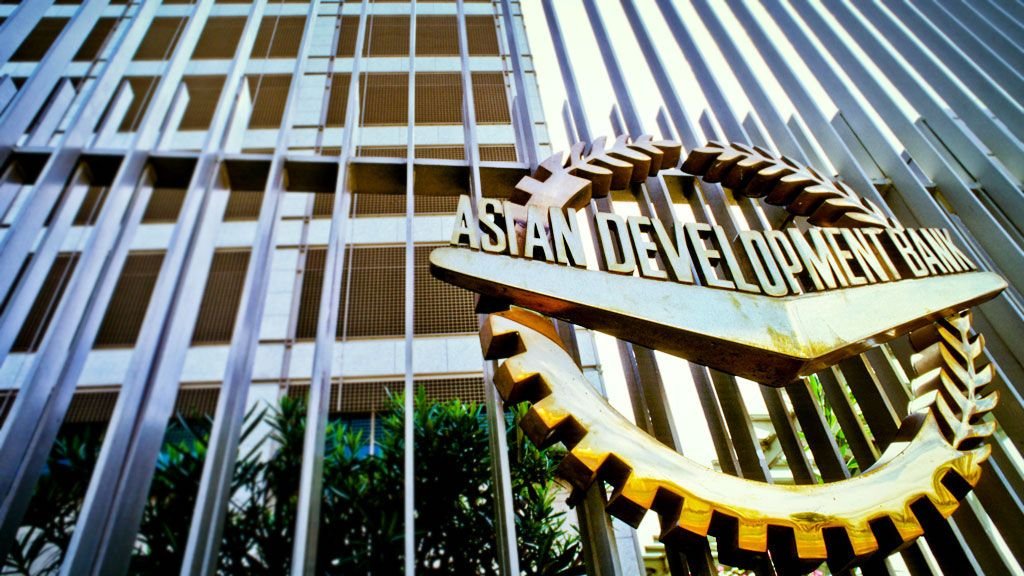
The Asian Development Bank (ADB) has once again downgraded Bangladesh’s economic outlook, cutting its growth forecast for FY2025-26 to 4.7 percent, down from 5.0 percent projected in September and 5.1 percent in April – marking the country’s third downward revision this year.
In its latest report, Economic Forecast for Asia and the Pacific: December, the Manila-based lender said the revision reflects weaker-than-expected export performance, persistent financial-sector vulnerabilities, and heightened investment uncertainty ahead of the national elections scheduled for February.
Exports – traditionally a key engine of Bangladesh’s economy – grew only 0.62 percent in the July-November period of FY26, a dramatic slowdown from 11.76 percent a year earlier. The slump has been aggravated not only by subdued global demand but also by severe supply disruptions following a major strike at Chattogram Port in October, which handles over 90 percent of the country’s trade.
The government has quietly adjusted expectations as well, lowering its export growth target for FY26 to 9 percent from 10 percent and reducing its GDP growth target to 5 percent.
Adding to concerns, private-sector credit growth fell to 6.23 percent in October – the slowest pace in two decades – as businesses delay investments amid high borrowing costs, political uncertainty, and weak consumer demand.
While ADB trimmed Bangladesh’s outlook, it upgraded India’s forecast and noted improved prospects for Pakistan and Sri Lanka, underscoring Bangladesh’s relatively fragile macroeconomic position in South Asia.
Other global lenders remain slightly more optimistic: the IMF projects 4.9 percent growth for Bangladesh in FY26, while the World Bank forecasts 4.8 percent.
Despite the slowdown, ADB kept Bangladesh’s inflation forecast unchanged at 8 percent, assuming continued tight monetary and fiscal policies and easing global commodity prices.
The bank also noted that its outlook for the current fiscal year (FY2025) remains unchanged at 4.0 percent, but warned that without stronger reforms – especially in the financial sector – Bangladesh’s recovery may remain slower than regional peers.
The repeated downgrades highlight deepening economic pressures at a time of political uncertainty, raising concerns about the country’s capacity to sustain growth amid global and domestic headwinds.